Screen print
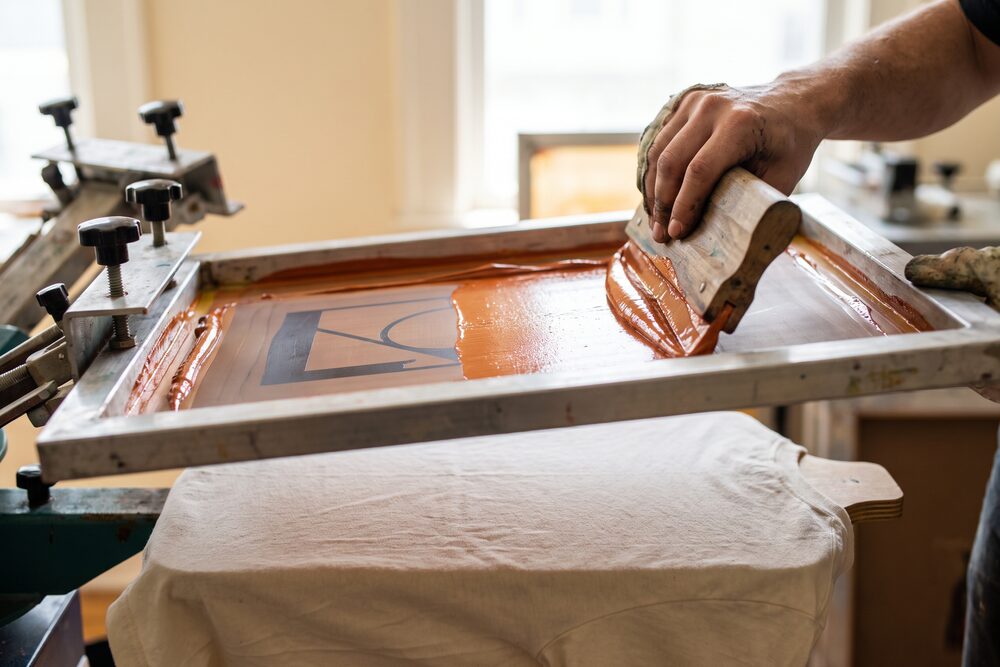
Most commonInk is pushed through a fine mesh screen onto the item — one screen per colour. It's the workhorse for apparel and flat surfaces: bright, durable, and the cheapest way to run big quantities.
Printing & decoration
Every method below puts ink, thread or a laser somewhere different — and each one wants your artwork a particular way. This is the plain-English version: what it is, what it's good on, and what to send us. Not sure which you need? That's what the artwork guide is for, and a real human checks every file before anything runs.
Ink is pushed through a fine mesh screen onto the item — one screen per colour. It's the workhorse for apparel and flat surfaces: bright, durable, and the cheapest way to run big quantities.
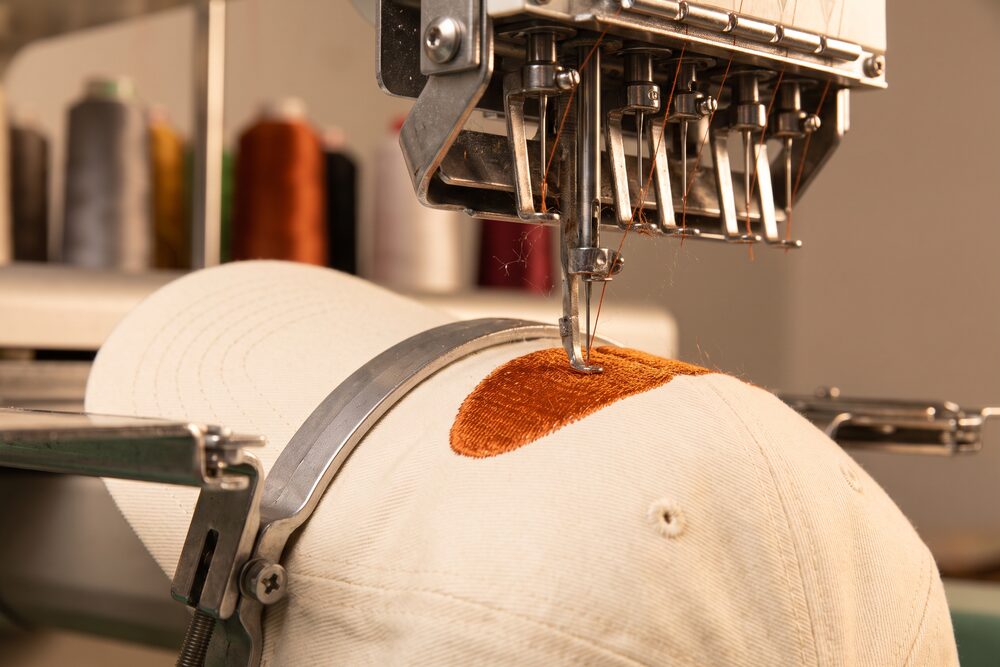
A computerised machine stitches your logo in thread. It outlasts the garment, which is why it's the standard on caps, polos and anything meant to look considered rather than promotional.
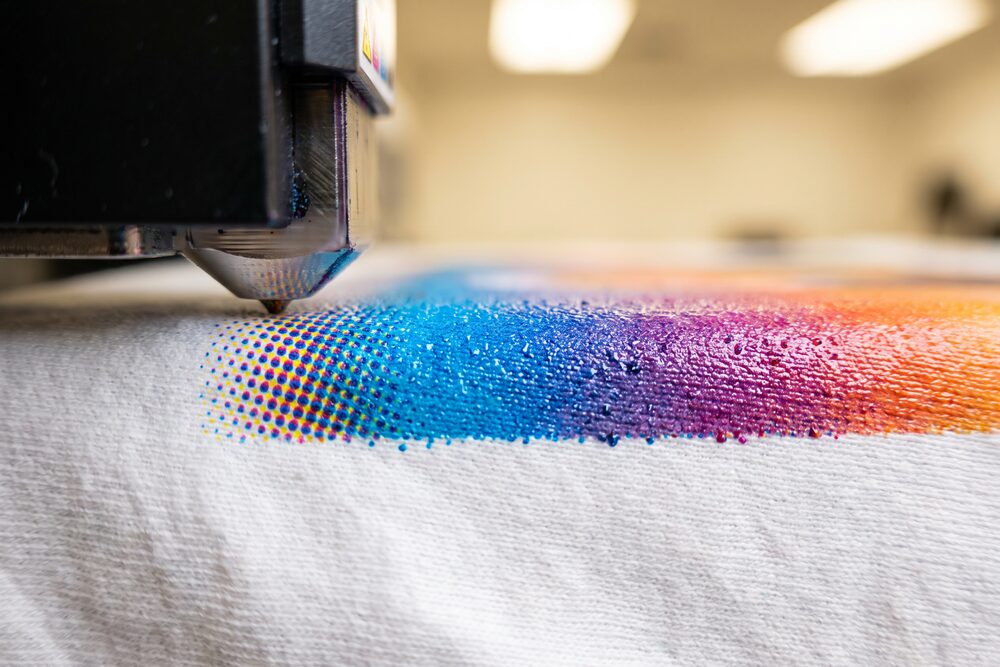
Printed in four process colours, so photographs, gradients and unlimited colour counts are all fair game. When your art is too complex to separate into spot colours, this is the answer.
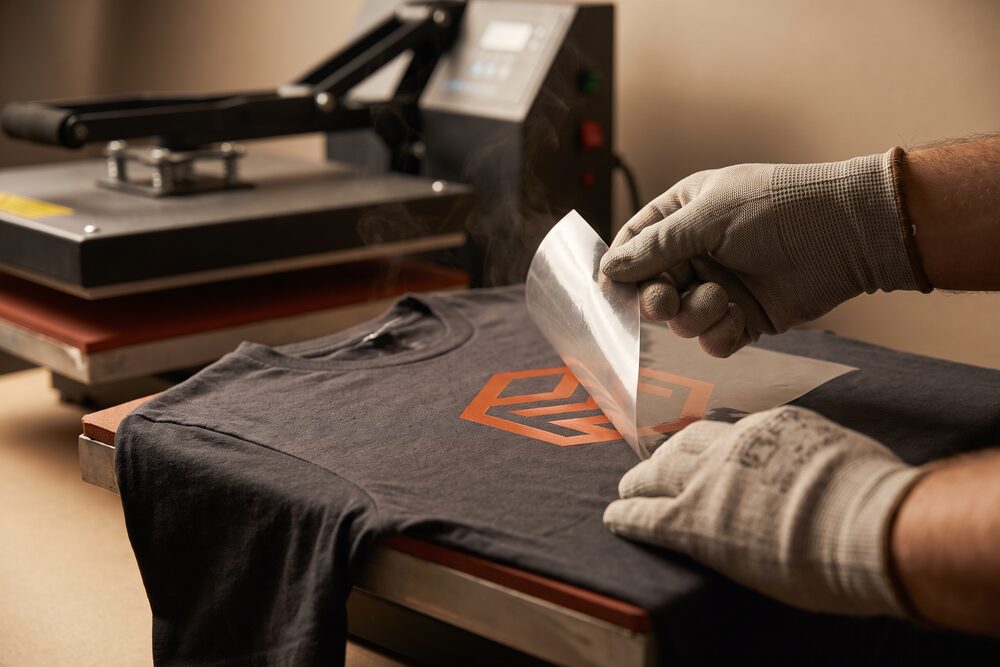
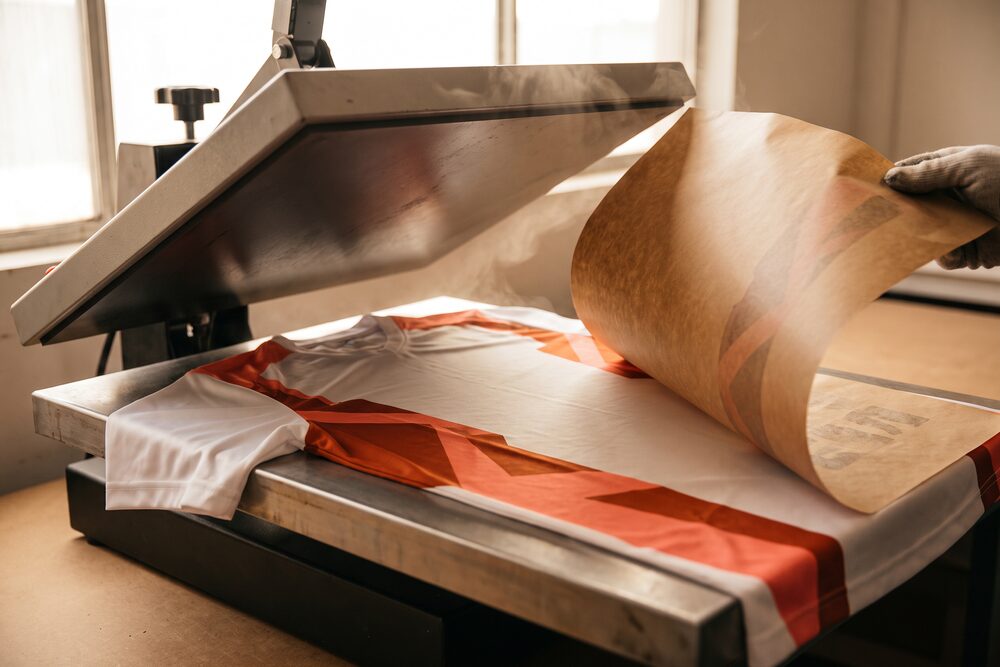
The design is printed onto a carrier, then heat-pressed so it bonds to the surface. It handles detail and colour counts screen print struggles with, and it's ideal for small runs and per-name work.
Heat turns the ink into a gas that dyes the material itself, so the print becomes part of the item. Nothing sits on top — you can't feel it, and it won't crack or peel.
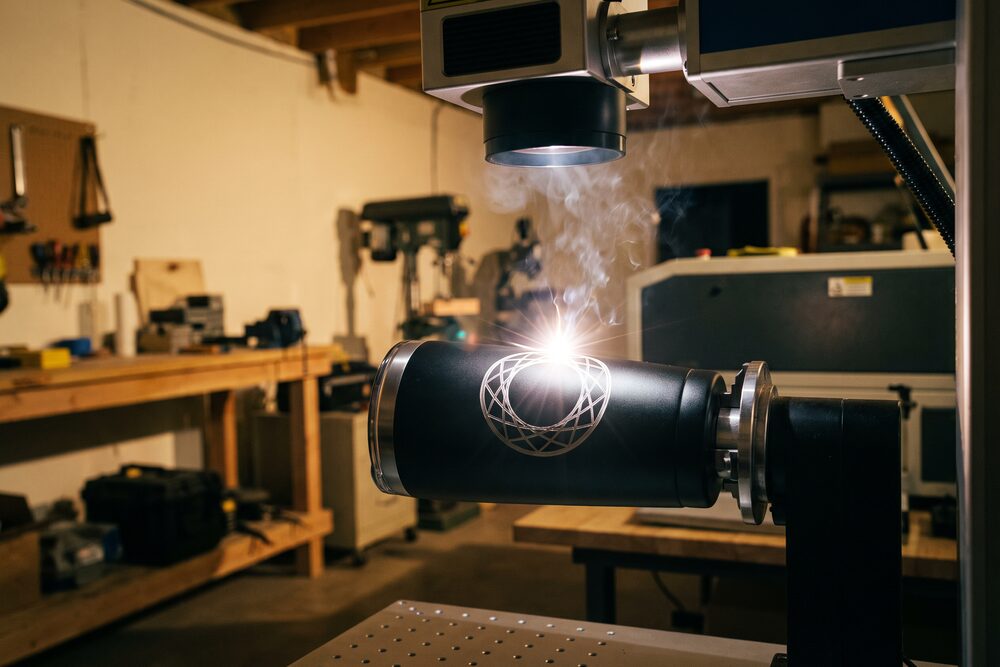
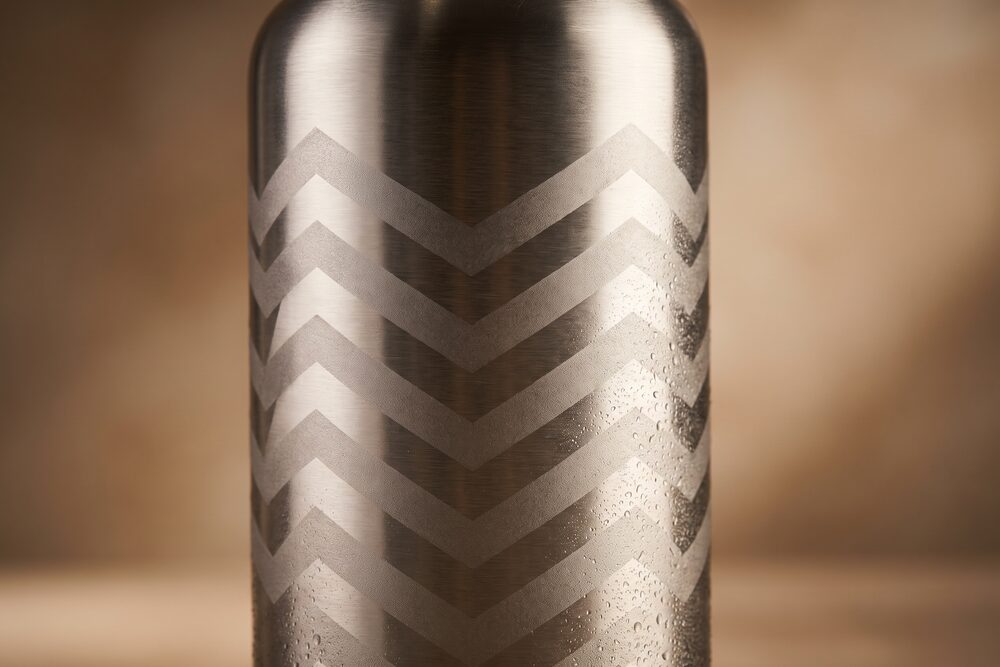
A laser burns the design into the surface, revealing the material underneath. There's no ink to wear off, so it reads as the premium option on metal and wood.
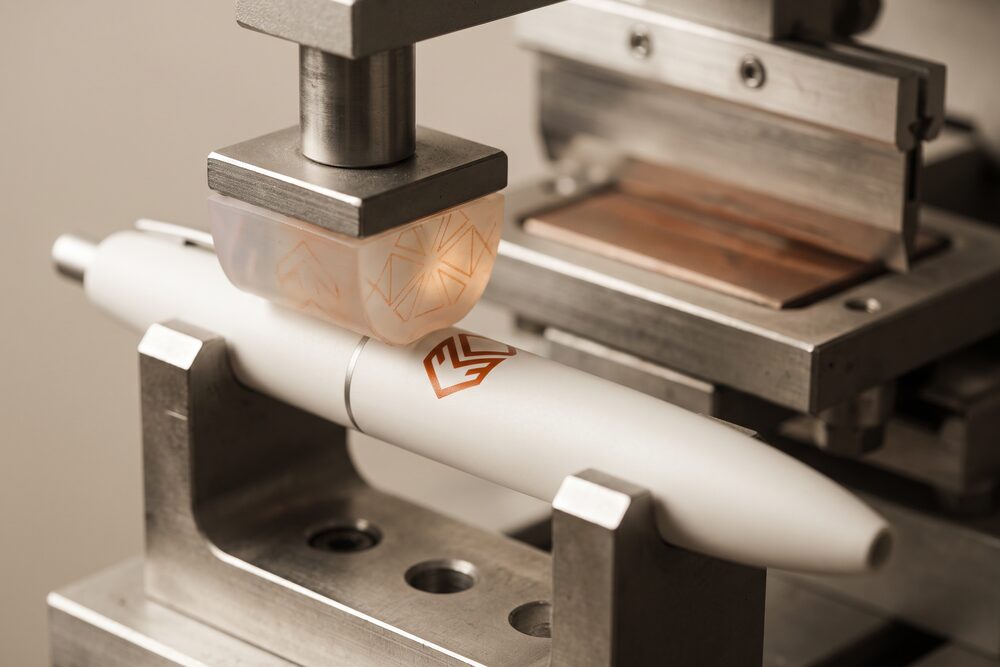
A silicone pad picks up ink and presses it onto the item. Because the pad flexes, it prints on curved and awkward surfaces that a flat screen can't reach.
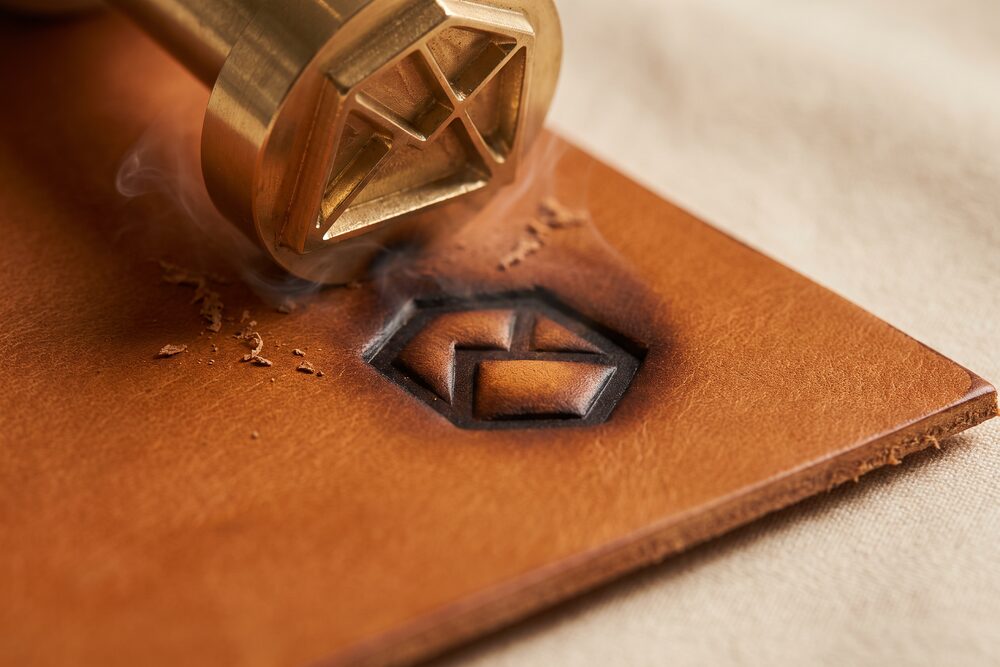
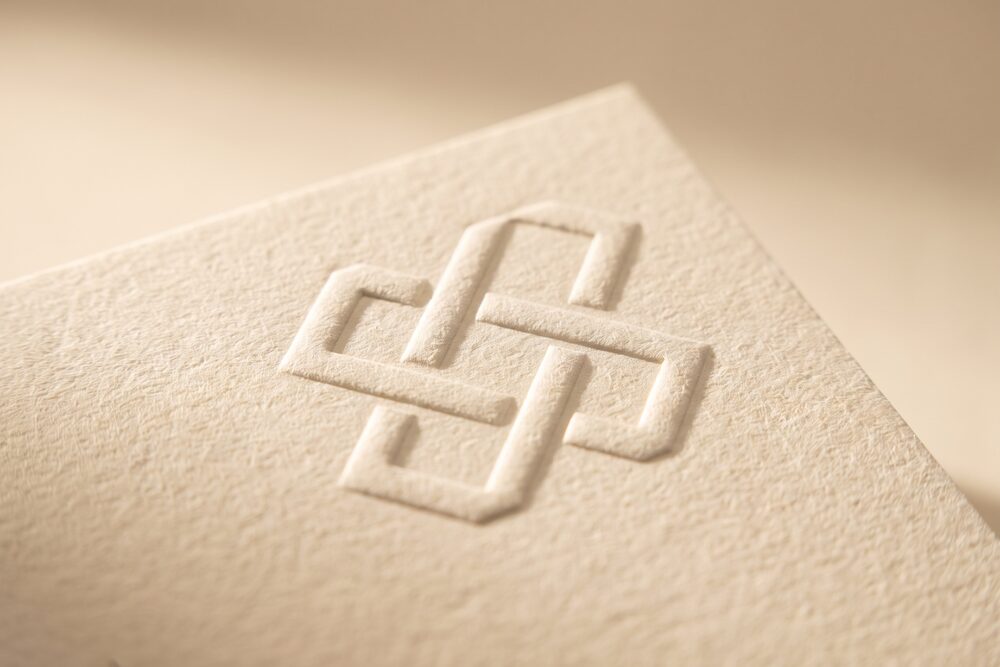
The design is pressed inward, leaving a recessed impression. No ink at all — just a shadow in the material, which reads quiet and expensive.
The reverse of deboss — the design is raised up out of the surface. Same understated look, same no-ink permanence, with a little more presence.
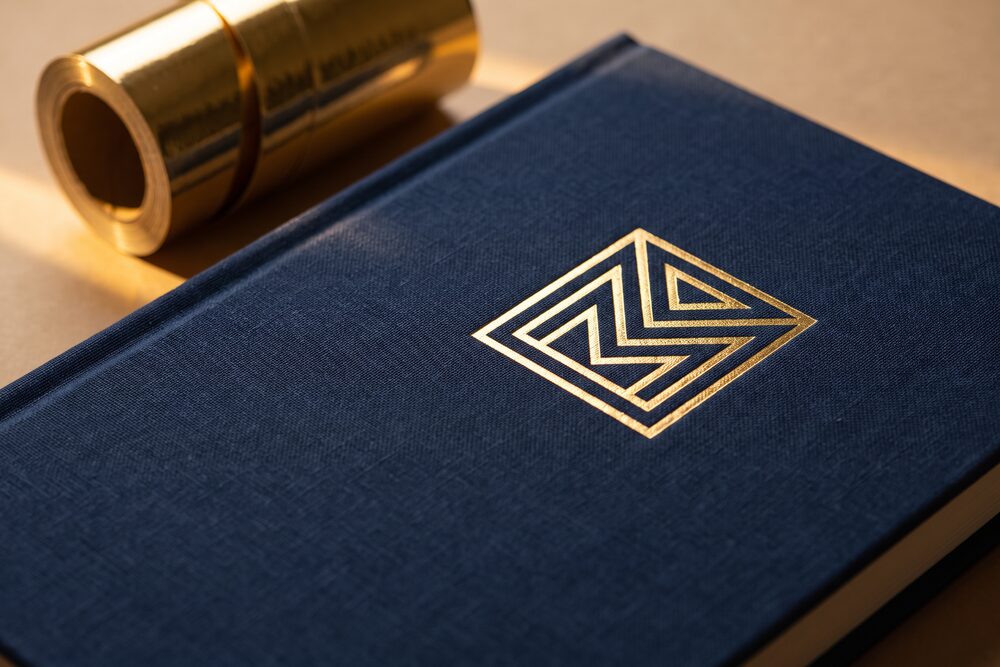
Metallic foil is applied with heat and pressure. It's the only method that gives you a true mirror-metallic — printed "gold" ink never looks like gold foil.
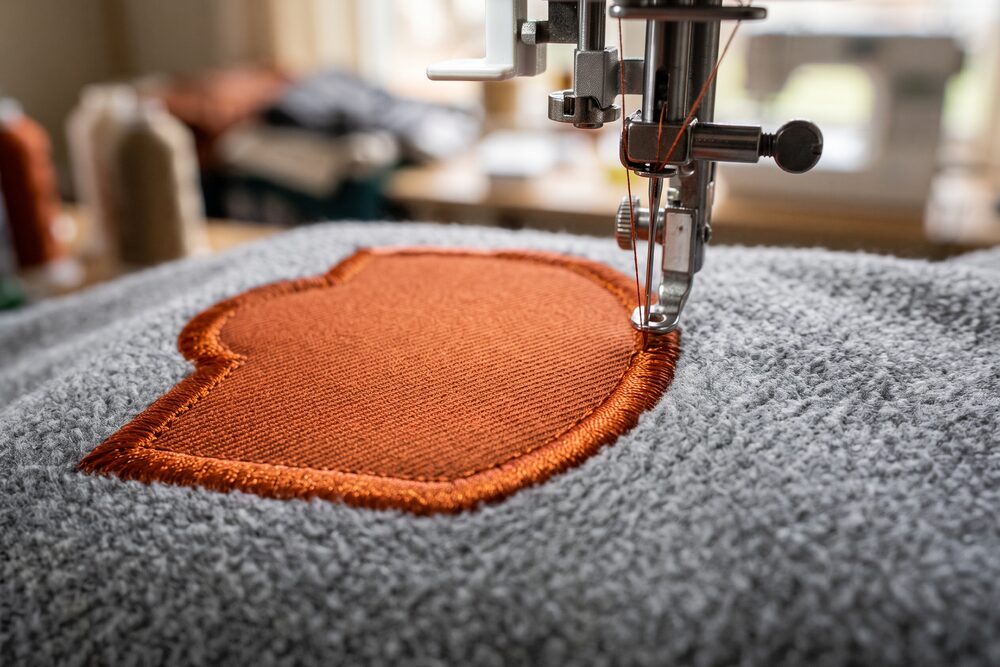
Pieces of fabric are cut and stitched onto the garment to build the design. Big, tactile, and much faster than embroidering a large area solid — the varsity-jacket look.
Glass is cut into for a frosted mark — sandblasted for a deep, textured bite (deep etch), or treated for a smoother, softer frost (satin etch). Permanent, dishwasher-proof, and unmistakably glass.
Still deciding
You don't have to pick a method. Send whatever art you've got and our team will tell you which of these it suits, what it'll cost, and what needs fixing — free, before anything runs.